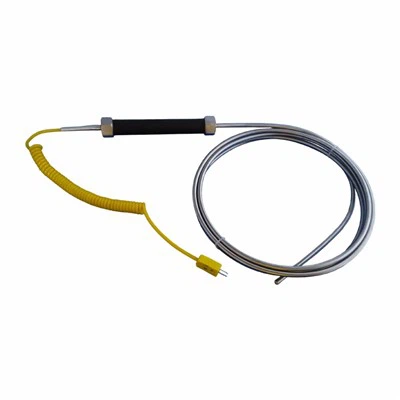
When it comes to temperature measurement in various industrial applications, thermocouples are a popular choice due to their reliability, accuracy, and wide temperature range capabilities. As a thermocouple supplier, I often receive inquiries about the maintenance cost of thermocouples. In this blog post, I will delve into the factors that influence the maintenance cost of thermocouples and provide insights to help you better understand and manage these costs.
Factors Affecting Thermocouple Maintenance Cost
1. Material and Type of Thermocouple
Different types of thermocouples are made from various materials, each with its own characteristics and cost implications. For example, Tungsten-rhenium Thermocouple is known for its high-temperature capabilities and is often used in extreme environments. However, the materials used in tungsten-rhenium thermocouples are relatively expensive, which can increase the initial cost and potentially the maintenance cost. On the other hand, more common types like type K or type J thermocouples are made from less expensive materials and may have lower maintenance costs.
The construction of the thermocouple also plays a role. Assembled Thermocouple is a pre - fabricated unit that may require less assembly time and effort during installation. However, if a component within the assembled thermocouple fails, it might be more difficult and costly to repair compared to a custom - built thermocouple where individual parts can be easily replaced.
2. Operating Environment
The environment in which the thermocouple operates has a significant impact on its maintenance cost. Harsh environments, such as those with high levels of corrosion, abrasion, or extreme temperatures, can cause the thermocouple to degrade more quickly. For instance, in a chemical processing plant where corrosive chemicals are present, the thermocouple's protective sheath may corrode, leading to inaccurate temperature readings and potentially requiring more frequent replacement.
In high - vibration environments, the thermocouple wires can become loose or damaged, which may require regular inspections and repairs. Additionally, if the thermocouple is exposed to dust or particulate matter, it can accumulate on the sensor, affecting its performance and increasing the need for cleaning or replacement.
3. Usage Frequency
The frequency of use also affects the maintenance cost. Thermocouples that are used continuously in a production process will experience more wear and tear compared to those used intermittently. Continuous use can lead to fatigue in the thermocouple wires and other components, increasing the likelihood of failure. Regular calibration and replacement may be necessary to ensure accurate temperature measurement, which adds to the maintenance cost.
4. Calibration Requirements
Accurate temperature measurement is crucial in many industrial processes. Thermocouples need to be calibrated regularly to ensure their accuracy. The frequency of calibration depends on the application and the requirements of the process. Some industries may require monthly or even weekly calibration, while others may be able to calibrate less frequently.


Calibration involves comparing the thermocouple's output to a known standard. This process can be time - consuming and may require specialized equipment. The cost of calibration includes the cost of the calibration equipment, the labor involved, and the downtime of the thermocouple during the calibration process.
Components of Thermocouple Maintenance Cost
1. Replacement Parts
Over time, certain components of the thermocouple may need to be replaced. This can include the thermocouple wires, the protective sheath, or the terminal block. The cost of replacement parts depends on the type and quality of the thermocouple. For example, a high - temperature thermocouple may require a more expensive protective sheath made of ceramic or other heat - resistant materials.
2. Labor Costs
Maintenance and repair of thermocouples often require skilled labor. The cost of labor includes the time spent on inspection, calibration, and replacement of parts. Labor costs can vary depending on the complexity of the task and the location of the thermocouple. In some cases, it may be necessary to hire a specialized technician to perform the maintenance, which can increase the overall cost.
3. Downtime Costs
When a thermocouple fails or needs to be calibrated, it can cause downtime in the production process. Downtime can result in lost production, missed deadlines, and additional costs. The cost of downtime depends on the nature of the production process and the length of the downtime. For example, in a continuous manufacturing process, even a short period of downtime can be very costly.
Strategies to Reduce Thermocouple Maintenance Cost
1. Proper Installation
Proper installation of the thermocouple is essential to ensure its long - term performance and reduce maintenance costs. This includes selecting the right location for the thermocouple, ensuring proper grounding, and using the correct installation techniques. A well - installed thermocouple is less likely to experience premature failure and will require less maintenance.
2. Regular Inspections
Regular inspections can help detect potential problems early, allowing for timely repairs and preventing more serious issues. Inspections should include checking the thermocouple wires for damage, the protective sheath for corrosion or wear, and the terminal connections for tightness. By identifying and addressing problems early, you can avoid costly breakdowns and extend the lifespan of the thermocouple.
3. Use of High - Quality Components
Investing in high - quality thermocouples and components can reduce maintenance costs in the long run. High - quality thermocouples are more durable and less likely to fail, which means fewer replacements and less downtime. Additionally, high - quality components may require less frequent calibration, saving on calibration costs.
4. Training for Operators
Providing training for operators on the proper use and maintenance of thermocouples can also help reduce maintenance costs. Operators who are knowledgeable about the thermocouple's operation and maintenance requirements are more likely to identify and address issues early, preventing costly breakdowns.
Conclusion
The maintenance cost of a thermocouple is influenced by several factors, including the material and type of the thermocouple, the operating environment, the usage frequency, and the calibration requirements. By understanding these factors and implementing strategies to reduce maintenance costs, such as proper installation, regular inspections, use of high - quality components, and operator training, you can effectively manage the maintenance cost of your thermocouples.
If you are in the market for thermocouples or need more information about thermocouple maintenance, we are here to help. Our team of experts can provide you with the right thermocouple solutions for your specific needs and offer guidance on how to minimize maintenance costs. Contact us to start a procurement discussion and find the best thermocouple for your application.
References
- "Thermocouple Handbook" by Omega Engineering
- "Industrial Temperature Measurement" by John Wiley & Sons