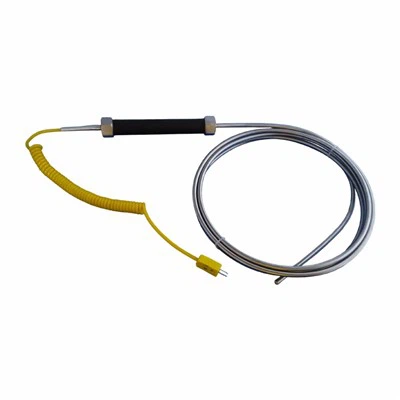
In the world of terrarium keeping, maintaining the right environmental conditions is crucial for the well - being of the plants and animals that call these miniature ecosystems home. One of the key aspects of this is humidity control, and a digital temperature controller plays a vital role in achieving and maintaining the optimal humidity levels.
Understanding Humidity in Terrariums
Humidity refers to the amount of water vapor present in the air. In a terrarium, the appropriate humidity level can vary depending on the type of plants and animals housed within. For example, tropical terrariums with rainforest plants and amphibians typically require high humidity levels, often between 70% - 90%. On the other hand, arid terrariums for desert - dwelling reptiles may need humidity levels as low as 20% - 30%.
The humidity within a terrarium can have a significant impact on the health of its inhabitants. Insufficient humidity can lead to issues such as dehydration in animals, leaf desiccation in plants, and problems with shedding for reptiles. Excessive humidity, on the other hand, can create a breeding ground for mold, fungi, and bacteria, which can be harmful to both plants and animals.
The Role of a Digital Temperature Controller in Humidity Control
A digital temperature controller is not just for regulating temperature; it can also be used to manage humidity. Modern digital temperature controllers come equipped with sensors that can measure both temperature and humidity. These sensors constantly monitor the conditions inside the terrarium and send the data to the controller.
The controller then uses this information to make adjustments. For example, if the humidity level drops below the set point, the controller can activate a humidifier. A humidifier adds moisture to the air, increasing the humidity within the terrarium. Conversely, if the humidity is too high, the controller can turn on a dehumidifier or a ventilation system to reduce the moisture in the air.
How the Humidity Control Function Works
Most digital temperature controllers use a simple yet effective control algorithm. First, the user sets the desired humidity level on the controller. This can usually be done through a digital interface, which allows for precise adjustments.
The humidity sensor continuously measures the actual humidity inside the terrarium. If the measured humidity is lower than the set point, the controller sends a signal to the connected humidifier to start operating. The humidifier then releases water vapor into the air until the humidity reaches the set level. Once the set humidity is achieved, the controller stops the humidifier.
Similarly, if the measured humidity is higher than the set point, the controller activates the dehumidifier or ventilation system. The dehumidifier removes moisture from the air, while the ventilation system exchanges the humid air inside the terrarium with drier air from the outside.
Benefits of Using a Digital Temperature Controller for Humidity Control
- Precision: Digital temperature controllers offer high - precision humidity control. They can maintain the humidity within a narrow range, ensuring that the terrarium environment remains stable and suitable for its inhabitants.
- Automation: With a digital temperature controller, the humidity control process is automated. This means that the user doesn't have to constantly monitor and adjust the humidity manually. The controller takes care of everything, providing a hassle - free experience.
- Data Logging: Many digital temperature controllers come with data - logging capabilities. This allows the user to track the humidity levels over time, which can be useful for analyzing trends and making adjustments to the terrarium environment if necessary.
Types of Digital Temperature Controllers for Humidity Control
There are several types of digital temperature controllers available on the market, each with its own features and capabilities.
- Basic Controllers: These controllers offer simple on/off control for humidity. They are suitable for small terrariums and basic humidity control needs.
- Advanced Controllers: Advanced controllers provide more sophisticated features, such as programmable schedules, multiple sensor inputs, and remote monitoring. They are ideal for larger or more complex terrariums.
Complementary Products
In addition to the digital temperature controller, there are other products that can enhance the humidity control in a terrarium. For example, a High - precision Portable Thermometer can be used to double - check the humidity and temperature readings inside the terrarium. This can be especially useful for ensuring the accuracy of the controller's sensors.
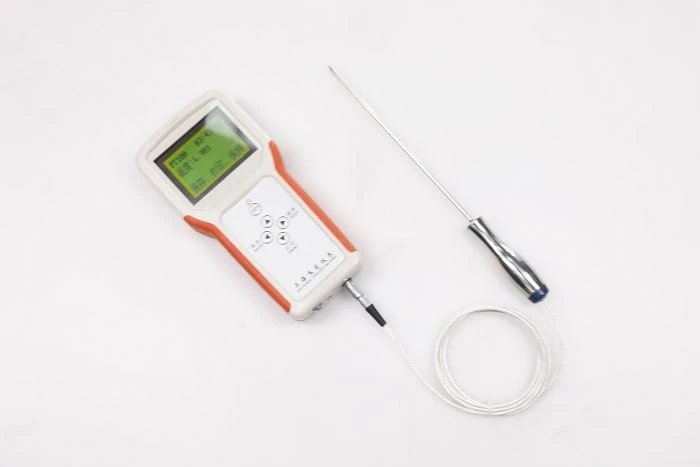

Another option is the Aluminum Molten Metal Thermometer or the Copper Molten Metal Thermometer. These thermometers can be used in specific applications where high - temperature measurements are required, such as in terrariums with heat - generating elements.
Conclusion
Humidity control is an essential aspect of terrarium keeping, and a digital temperature controller is a valuable tool for achieving and maintaining the right humidity levels. By providing precision, automation, and data - logging capabilities, these controllers make it easier for terrarium owners to create a healthy and stable environment for their plants and animals.
If you are interested in purchasing a high - quality digital temperature controller for your terrarium, we are a leading supplier in the industry. Our controllers are designed to offer reliable and accurate humidity control, ensuring the well - being of your terrarium inhabitants. Contact us to discuss your specific requirements and start creating the perfect terrarium environment.
References
- "Terrarium Care Guide" by ABC Publishing
- "The Science of Humidity in Enclosed Ecosystems" by XYZ Research Institute