How does the response characteristic of an aluminum molten metal thermometer change with temperature?
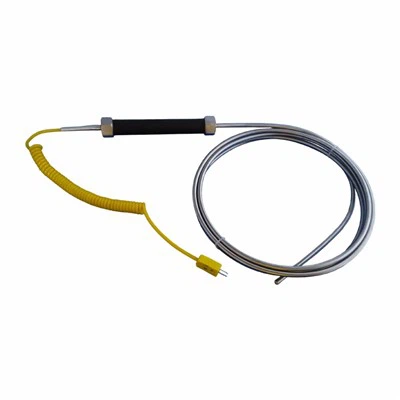
As a dedicated supplier of Aluminum Molten Metal Thermometer, I've witnessed firsthand the critical role these thermometers play in various industrial processes. Understanding how the response characteristic of an aluminum molten metal thermometer changes with temperature is essential for ensuring accurate temperature measurement and maintaining the quality of metal processing.
The Basics of Aluminum Molten Metal Thermometers
Aluminum molten metal thermometers are specifically designed to measure the temperature of molten aluminum, which typically ranges from around 660°C (the melting point of aluminum) to over 1000°C in industrial applications. These thermometers are engineered to withstand the harsh conditions of high - temperature molten metal environments, including extreme heat, corrosive substances, and mechanical stress.
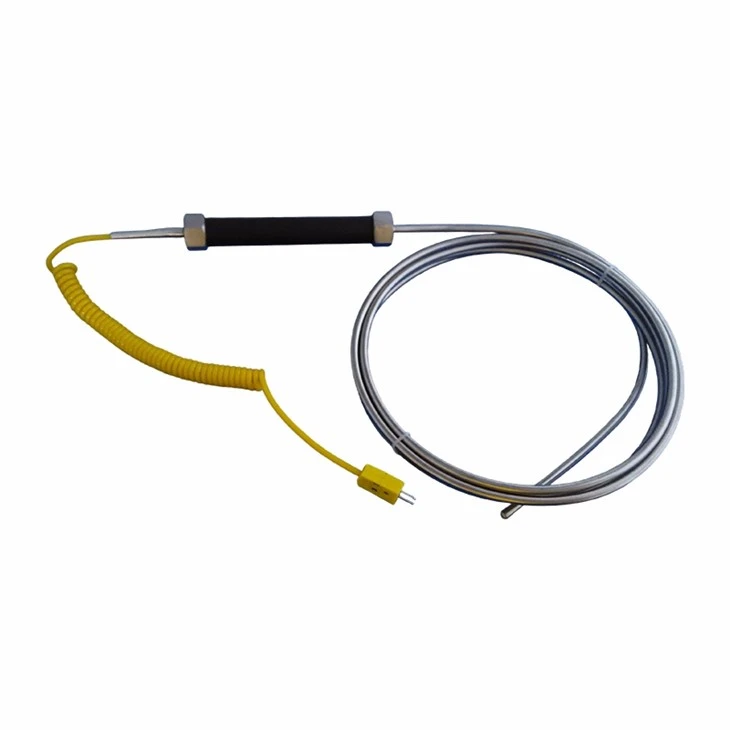
The most common types of thermometers used for measuring molten aluminum are thermocouples. A thermocouple consists of two different metals joined together at one end. When there is a temperature difference between the junction (the end placed in the molten metal) and the reference end, a voltage is generated. This voltage is proportional to the temperature difference, and by measuring this voltage, we can determine the temperature of the molten metal.
Response Characteristics and Temperature
The response characteristic of an aluminum molten metal thermometer refers to how quickly and accurately it can measure the temperature of the molten metal. Several factors influence this response, and temperature is one of the most significant.
Response Time
Response time is the time it takes for the thermometer to reach a specified percentage (usually 90% or 95%) of the final temperature value after being inserted into the molten metal. At lower temperatures, the response time may be relatively longer. This is because the heat transfer rate between the molten metal and the thermometer is lower. As the temperature of the molten aluminum increases, the heat transfer rate also increases. The higher the temperature, the more energy is available for heat transfer, allowing the thermometer to reach the equilibrium temperature more quickly.
For example, when measuring molten aluminum at around 700°C, the response time might be on the order of several seconds. But as the temperature rises to 900°C or higher, the response time can be significantly reduced, perhaps to just a second or two. This is crucial in industrial settings where real - time temperature monitoring is essential for process control.
Accuracy
Accuracy is another important aspect of the response characteristic. At lower temperatures, the accuracy of the thermometer may be affected by factors such as thermal gradients within the molten metal and the quality of the thermocouple materials. As the temperature increases, the accuracy can improve in some cases. This is because the thermoelectric effect, which is the basis for thermocouple operation, becomes more stable at higher temperatures.
However, at extremely high temperatures, new challenges can arise. For instance, the thermocouple materials may start to degrade, which can lead to a decrease in accuracy. The high - temperature environment can cause oxidation and other chemical reactions on the surface of the thermocouple, altering its electrical properties and thus affecting the temperature measurement.
Sensitivity
Sensitivity refers to the change in the output signal (voltage in the case of a thermocouple) per unit change in temperature. The sensitivity of an aluminum molten metal thermometer can vary with temperature. In general, the sensitivity of a thermocouple is relatively stable over a certain temperature range. But as the temperature approaches the upper limit of the thermometer's operating range, the sensitivity may start to change.
At lower temperatures, the sensitivity may be relatively low, meaning that small changes in temperature result in small changes in the output voltage. As the temperature increases, the sensitivity may increase, allowing for more precise temperature measurements. However, beyond a certain point, the sensitivity may start to decrease due to the degradation of the thermocouple materials.
Applications and Considerations
In the aluminum smelting and casting industries, accurate temperature measurement is crucial for ensuring the quality of the final product. For example, in the casting process, the temperature of the molten aluminum affects the fluidity, solidification rate, and mechanical properties of the castings. If the temperature is too low, the aluminum may not flow properly, leading to defects such as incomplete filling of the mold. If the temperature is too high, it can cause excessive oxidation and other quality issues.
When selecting an aluminum molten metal thermometer, it's important to consider the specific temperature range of the application. Different thermocouple types have different temperature limits and response characteristics. For example, some thermocouples are more suitable for lower - temperature applications, while others can withstand higher temperatures.
In addition to temperature, other factors such as the immersion depth of the thermometer, the presence of impurities in the molten metal, and the duration of use also affect the performance of the thermometer. It's important to follow the manufacturer's guidelines for installation, use, and maintenance to ensure accurate and reliable temperature measurement.
Related Products
As a supplier, we also offer Copper Molten Metal Thermometer and High - precision Portable Thermometer. These products are designed to meet the diverse needs of different industries. The copper molten metal thermometer is specifically tailored for measuring the temperature of molten copper, which has different temperature requirements and properties compared to aluminum. The high - precision portable thermometer offers the flexibility of on - the - go temperature measurement, which is useful for quality control and troubleshooting in various industrial settings.
Conclusion
The response characteristic of an aluminum molten metal thermometer changes significantly with temperature. Understanding these changes is essential for accurate temperature measurement in industrial applications. As a supplier, we are committed to providing high - quality thermometers that can meet the demanding requirements of the aluminum industry. If you are in need of reliable temperature measurement solutions for your aluminum processing operations, we invite you to contact us for more information and to discuss your specific needs. We look forward to working with you to ensure the success of your industrial processes.
References
- [1] ASTM International. Standard Test Methods for Thermocouples. ASTM E230 - 17.
- [2] R. P. Reed, "Temperature Measurement in High - Temperature Processes", CRC Press, 2015.
- [3] "Handbook of Temperature Measurement", Omega Engineering, 2020.