What is the chemical resistance of a thermocouple?
As a thermocouple supplier, I often encounter inquiries about the chemical resistance of thermocouples. Chemical resistance is a crucial factor in determining the suitability of a thermocouple for specific applications, especially in environments where the thermocouple is exposed to various chemicals.


Understanding Chemical Resistance in Thermocouples
Chemical resistance refers to the ability of a thermocouple to withstand the corrosive effects of chemicals without significant degradation in its performance. When a thermocouple is exposed to chemicals, it can react with the materials of the thermocouple, leading to changes in its electrical properties, accuracy, and lifespan.
The chemical resistance of a thermocouple depends on several factors, including the type of thermocouple material, the nature of the chemicals it is exposed to, and the temperature and pressure conditions of the environment.
Types of Thermocouple Materials and Their Chemical Resistance
-
Type K Thermocouples
Type K thermocouples are one of the most commonly used thermocouples. They are made of chromel (nickel - chromium alloy) and alumel (nickel - aluminum alloy). Type K thermocouples have good resistance to oxidation at high temperatures and are relatively stable in many industrial environments. However, they are susceptible to sulfur - containing atmospheres, which can cause corrosion and affect their accuracy. -
Type J Thermocouples
Type J thermocouples consist of iron and constantan. They are suitable for use in reducing atmospheres but are less resistant to oxidation compared to Type K thermocouples. In the presence of sulfur - containing gases, Type J thermocouples can also experience corrosion, which may lead to inaccurate temperature measurements. -
Type T Thermocouples
Type T thermocouples are made of copper and constantan. They have excellent resistance to moisture and are often used in applications where the environment is wet or humid. However, they are not as suitable for high - temperature applications as Type K or Type J thermocouples, and their chemical resistance may be limited in certain aggressive chemical environments. -
Type S, R, and B Thermocouples
These noble - metal thermocouples are made of platinum - rhodium alloys. They have high chemical resistance, especially in high - temperature and oxidizing environments. They are commonly used in applications such as furnaces and glass manufacturing, where they can withstand the harsh chemical conditions.
Factors Affecting Chemical Resistance
-
Chemical Composition of the Environment
The type and concentration of chemicals in the environment play a significant role in determining the chemical resistance of a thermocouple. For example, acidic or alkaline solutions can corrode the thermocouple materials, while oxidizing or reducing gases can also have a detrimental effect. -
Temperature and Pressure
Higher temperatures and pressures can accelerate the chemical reactions between the thermocouple and the chemicals in the environment. This can lead to more rapid corrosion and degradation of the thermocouple. -
Exposure Time
The longer a thermocouple is exposed to chemicals, the greater the likelihood of corrosion and damage. Continuous exposure to chemicals can gradually erode the thermocouple materials, affecting its performance over time.
Protecting Thermocouples from Chemical Corrosion
-
Coating and Sheathing
One way to improve the chemical resistance of a thermocouple is to apply a protective coating or sheath. For example, ceramic coatings can provide a barrier between the thermocouple and the chemicals in the environment. Sheaths made of materials such as stainless steel or Inconel can also offer protection against corrosion. -
Proper Installation and Maintenance
Proper installation of the thermocouple can help minimize its exposure to chemicals. This includes ensuring that the thermocouple is installed in a location where it is not in direct contact with corrosive substances. Regular maintenance, such as cleaning and inspection, can also help detect and prevent corrosion before it causes significant damage.
Applications and Chemical Resistance Requirements
-
Chemical Processing Industry
In the chemical processing industry, thermocouples are often exposed to a wide range of chemicals, including acids, bases, and solvents. In these applications, it is essential to choose a thermocouple with high chemical resistance to ensure accurate temperature measurements and long - term reliability. For example, in a chemical reactor where strong acids are used, a thermocouple with a ceramic sheath or made of a corrosion - resistant material like platinum - rhodium may be required. -
Food and Beverage Industry
In the food and beverage industry, thermocouples are used to monitor the temperature during processing. They may be exposed to food products, cleaning agents, and sanitizers. In this environment, the thermocouple should be made of materials that are non - toxic and resistant to the chemicals used in food processing. Stainless - steel sheathed thermocouples are commonly used in this industry. -
Power Generation
In power generation plants, thermocouples are used to measure the temperature of steam, gases, and other fluids. They may be exposed to high - temperature and high - pressure environments, as well as chemicals such as sulfur dioxide and nitrogen oxides. Thermocouples with high chemical resistance and good temperature stability are required to ensure accurate and reliable temperature measurements.
Our Product Offerings
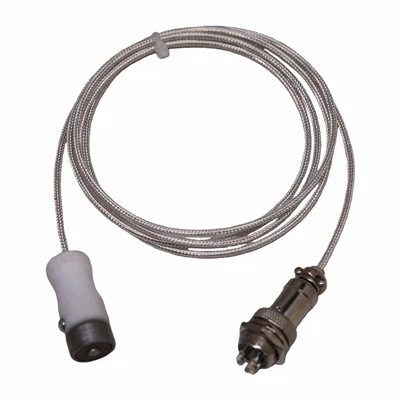
As a thermocouple supplier, we offer a wide range of thermocouples to meet different chemical resistance requirements. Our Wire Thermocouple is available in various materials and configurations, providing flexibility for different applications. Our Prefabricated RTD offers high accuracy and reliability, and our Armored Thermocouple provides excellent protection against mechanical and chemical damage.
If you are looking for a thermocouple with specific chemical resistance properties, we can help you select the most suitable product for your application. Our team of experts can provide technical support and guidance to ensure that you get the best thermocouple for your needs.
Conclusion
Chemical resistance is an important consideration when choosing a thermocouple for a particular application. By understanding the factors that affect chemical resistance and choosing the right thermocouple material and protective measures, you can ensure accurate temperature measurements and long - term reliability in harsh chemical environments. If you have any questions or need assistance in selecting the appropriate thermocouple, please do not hesitate to contact us for further discussion and procurement.
References
- "Thermocouples: Theory and Practice" by John R. Cimbala and John L. Moffat.
- "Handbook of Temperature Measurement" by Peter H. Egli.
- "Industrial Temperature Measurement" by John W. Naisbitt.