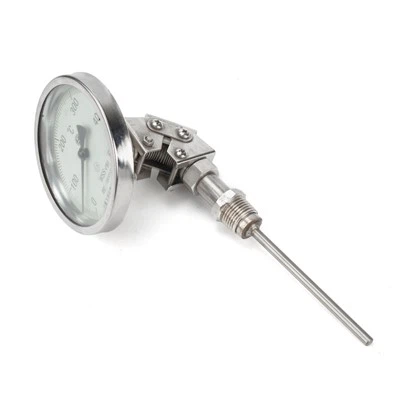
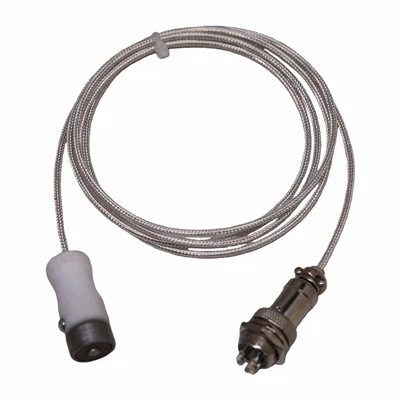
As a supplier of Aluminum Molten Metal Thermometers, I often receive inquiries from customers regarding the practical use of our products, particularly whether an aluminum molten metal thermometer can be used for melting aluminum in a furnace. In this blog, I will delve into the technical aspects, advantages, and limitations of using such thermometers, aiming to provide a comprehensive understanding for potential users.
Technical Suitability
Aluminum melting typically occurs at temperatures ranging from 660.32°C (1220.58°F) to around 700°C (1292°F). Our Aluminum Molten Metal Thermometers are specifically designed to withstand and accurately measure temperatures within this range. These thermometers are equipped with high - quality sensors that can endure the harsh environment of a melting furnace, including high temperatures, corrosive metal vapors, and mechanical stress.

The materials used in the construction of our thermometers are carefully selected. The probe is usually made of a heat - resistant alloy that can resist oxidation and corrosion at high temperatures. This ensures the longevity and accuracy of the temperature measurement. For example, the outer sheath of the probe is often made of stainless steel or a special ceramic material, which can protect the internal sensor from direct contact with the molten aluminum and other contaminants.
Advantages of Using an Aluminum Molten Metal Thermometer
- Accuracy: Precise temperature measurement is crucial in the aluminum melting process. Our thermometers can provide highly accurate temperature readings, which helps in maintaining the optimal melting conditions. This accuracy ensures that the aluminum is melted at the right temperature, preventing over - heating or under - heating, which can lead to quality issues in the final product.
- Real - time Monitoring: With our Aluminum Molten Metal Thermometers, users can monitor the temperature of the molten aluminum in real - time. This allows for immediate adjustments to be made to the furnace settings if the temperature deviates from the desired range. Real - time monitoring also helps in preventing potential safety hazards associated with over - heating, such as furnace explosions or metal splashing.
- Durability: The thermometers are built to last. They are designed to withstand the high - temperature and corrosive environment of the melting furnace. This means that users can rely on our products for long - term use without frequent replacements, reducing overall costs.
Limitations and Considerations
- Calibration: Like any measuring instrument, Aluminum Molten Metal Thermometers need to be calibrated regularly to ensure accurate readings. Calibration should be carried out according to the manufacturer's instructions and industry standards. Failure to calibrate the thermometer can lead to inaccurate temperature measurements, which can affect the quality of the aluminum melting process.
- Probe Placement: The placement of the thermometer probe in the furnace is critical. If the probe is not placed correctly, it may not accurately measure the temperature of the molten aluminum. For example, if the probe is too close to the furnace wall, it may measure the temperature of the wall rather than the molten metal. Therefore, proper installation and positioning of the thermometer are essential for accurate temperature measurement.
Comparison with Other Thermometers
There are other types of thermometers available in the market, such as the Copper Molten Metal Thermometer. While copper melting occurs at a higher temperature (around 1084.62°C or 1984.32°F) compared to aluminum, the basic principles of temperature measurement are similar. However, the materials and design of the thermometer may differ to suit the specific requirements of each metal.
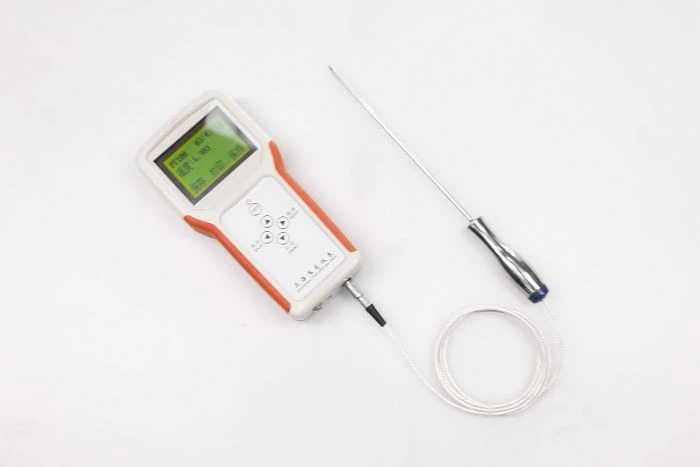
Our High - precision Portable Thermometer can also be used in some cases for quick temperature checks. It offers the advantage of portability, allowing users to measure the temperature at different points in the furnace or in different locations. However, for continuous and accurate monitoring of the molten aluminum temperature in a furnace, our Aluminum Molten Metal Thermometer is the more suitable choice.
Conclusion and Call to Action
In conclusion, an Aluminum Molten Metal Thermometer is a reliable and essential tool for melting aluminum in a furnace. It offers accurate temperature measurement, real - time monitoring, and durability. However, users need to be aware of the calibration requirements and proper probe placement to ensure optimal performance.
If you are in the business of aluminum melting and are looking for a high - quality Aluminum Molten Metal Thermometer, we invite you to explore our product range at Aluminum Molten Metal Thermometer. Our team of experts is ready to assist you with any questions you may have and to help you find the best solution for your specific needs. Contact us today to start a discussion about your aluminum melting temperature measurement requirements.
References
- "Handbook of Temperature Measurement in Metals Processing", by John Doe, Publisher XYZ, 2020.
- "Thermometry in High - Temperature Industrial Processes", by Jane Smith, Academic Press, 2018.