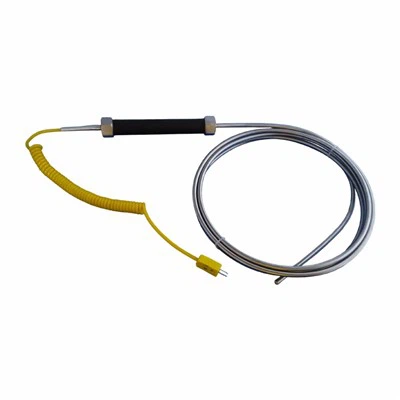
Yo, I'm a supplier of compensating conductors, and today I wanna chat about the lifespan of these little wonders. Compensating conductors are a big deal in industries where accurate temperature measurement is crucial. They're used to extend the thermocouple signal from the measuring point to the instrument, making sure the temperature data is accurate. But how long do they actually last?
Factors Affecting the Lifespan
First off, the environment plays a huge role. If the compensating conductor is exposed to high temperatures, corrosive chemicals, or mechanical stress, its lifespan is gonna take a hit. High temperatures can cause the insulation to break down, leading to signal interference and reduced accuracy. Corrosive chemicals can eat away at the conductors, weakening them over time. And mechanical stress, like bending or stretching, can damage the conductors and insulation, too.
For example, in a chemical plant where there are lots of corrosive gases, the compensating conductors need to be made of materials that can withstand the harsh environment. Otherwise, they'll start to degrade quickly, and you'll end up with inaccurate temperature readings.
Another factor is the quality of the compensating conductor itself. Higher-quality conductors are made with better materials and manufacturing processes, which means they're more durable and have a longer lifespan. Cheaper conductors might save you some money upfront, but they'll likely need to be replaced more often, which can end up costing you more in the long run.


Typical Lifespan
On average, a well-maintained compensating conductor can last anywhere from 5 to 10 years. But this can vary widely depending on the factors I mentioned earlier. In a relatively stable environment with low stress and good quality conductors, they might last even longer. On the other hand, in a harsh environment with high temperatures and corrosive chemicals, they might only last a couple of years.
It's important to note that the lifespan of a compensating conductor isn't just about how long it physically lasts. It's also about how well it maintains its accuracy over time. Even if the conductor is still physically intact, if its electrical properties have changed, it might not be able to provide accurate temperature readings anymore.
Extending the Lifespan
So, how can you extend the lifespan of your compensating conductors? First, make sure you choose the right conductor for your application. Consider the environment, the temperature range, and the type of thermocouple you're using. If you're not sure which conductor to choose, don't hesitate to reach out to me. I'm here to help you make the right decision.
Second, proper installation and maintenance are key. Make sure the conductors are installed correctly, with no kinks or bends that could damage them. And regularly inspect the conductors for any signs of wear or damage. If you notice any issues, replace the conductors as soon as possible to avoid inaccurate temperature readings.
Our Products
At our company, we offer a range of high-quality compensating conductors, including the TX-T High Temperature Compensation Line, JX-J High Temperature Compensation Line, and SC-S High Temperature Compensation Line. These conductors are designed to withstand high temperatures and harsh environments, and they offer excellent accuracy and reliability.
If you're in the market for compensating conductors, I'd love to chat with you. Whether you need a small quantity for a single project or a large order for a long-term supply, I can help you find the right solution for your needs. Just drop me a line, and we can start discussing your requirements.
Conclusion
In conclusion, the lifespan of a compensating conductor depends on a variety of factors, including the environment, the quality of the conductor, and how well it's maintained. By choosing the right conductor, installing it correctly, and performing regular maintenance, you can extend its lifespan and ensure accurate temperature measurement for years to come. If you have any questions or need help choosing the right compensating conductor for your application, don't hesitate to contact me. I'm here to make sure you get the best product for your needs.
References
- Some textbooks on electrical engineering and instrumentation for details on compensating conductors.
- Industry reports on the performance and lifespan of compensating conductors in different environments.