In the realm of industrial temperature measurement, explosion-proof thermocouples play a crucial role, especially in hazardous environments where the risk of explosion is high. As a trusted supplier of explosion-proof thermocouples, I understand the significance of reliability in these devices. In this blog, I will share some effective strategies to enhance the reliability of explosion-proof thermocouples, ensuring they perform consistently and safely in challenging conditions.
Understanding the Basics of Explosion-Proof Thermocouples
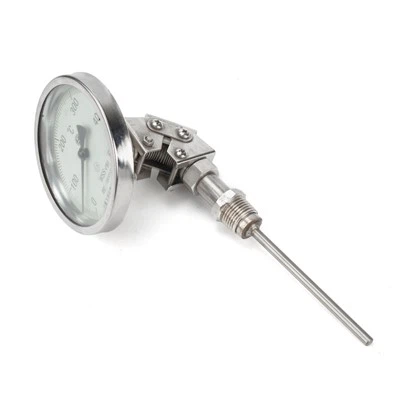
Before delving into the methods of improving reliability, it is essential to understand what an explosion-proof thermocouple is. An explosion-proof thermocouple is a temperature sensor designed to prevent the ignition of flammable gases, vapors, or dust in hazardous areas. It consists of two different metals joined at one end, which generate a voltage proportional to the temperature difference between the measuring junction and the reference junction.
The reliability of an explosion-proof thermocouple depends on several factors, including the quality of materials, the design of the device, and the installation and maintenance procedures. By addressing these aspects, we can significantly improve the reliability of these thermocouples.
Selecting High-Quality Materials
The choice of materials is a critical factor in determining the reliability of an explosion-proof thermocouple. High-quality materials can withstand harsh environments, resist corrosion, and provide accurate temperature measurements over an extended period.
For example, Platinum-rhodium Thermocouples are known for their high accuracy and stability at high temperatures. They are often used in applications where precise temperature control is required, such as in the aerospace and chemical industries. Another option is the Tungsten-rhenium Thermocouple, which is suitable for extremely high-temperature applications, such as in the metallurgical and glass industries.
In addition to the thermocouple wires, the sheath material also plays an important role in the reliability of the device. A high-quality sheath can protect the thermocouple wires from mechanical damage, chemical corrosion, and high temperatures. Common sheath materials include stainless steel, Inconel, and ceramic.


Optimizing the Design
The design of an explosion-proof thermocouple can also have a significant impact on its reliability. A well-designed thermocouple should be able to withstand the harsh conditions of the environment in which it is installed, while also providing accurate and reliable temperature measurements.
One important aspect of the design is the construction of the explosion-proof enclosure. The enclosure should be designed to prevent the ignition of flammable gases or vapors inside the device, even in the event of a short circuit or other electrical fault. It should also be able to withstand the pressure and temperature changes that occur during normal operation.
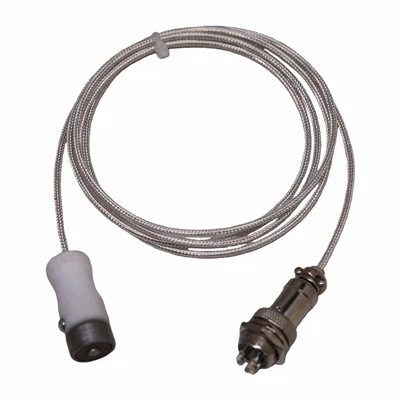
Another design consideration is the placement of the thermocouple wires. The wires should be properly insulated and protected to prevent short circuits and other electrical problems. They should also be arranged in a way that minimizes the risk of mechanical damage.
Ensuring Proper Installation
Proper installation is essential for the reliable operation of an explosion-proof thermocouple. The thermocouple should be installed in accordance with the manufacturer's instructions and relevant safety standards.
During installation, it is important to ensure that the thermocouple is properly grounded to prevent electrical interference and to protect against electrical shock. The thermocouple wires should also be properly connected to the measuring instrument to ensure accurate temperature measurements.
In addition, the installation location should be carefully chosen to avoid areas where the thermocouple may be exposed to mechanical damage, chemical corrosion, or high temperatures. The thermocouple should also be installed in a way that allows for easy access for maintenance and calibration.
Regular Maintenance and Calibration
Regular maintenance and calibration are essential for ensuring the reliability of an explosion-proof thermocouple. Maintenance should include visual inspections, cleaning, and replacement of any damaged components.
Calibration is also important to ensure that the thermocouple is providing accurate temperature measurements. Calibration should be performed at regular intervals, using a calibrated reference thermometer or other calibration equipment.
In addition to regular maintenance and calibration, it is also important to keep a record of the thermocouple's performance over time. This can help to identify any trends or issues that may affect the reliability of the device.
Training and Education
Proper training and education are essential for ensuring the reliable operation of an explosion-proof thermocouple. Operators and maintenance personnel should be trained on the proper installation, operation, and maintenance of the thermocouple.
Training should include information on the principles of thermocouple operation, the safety requirements for working with explosion-proof equipment, and the proper procedures for calibration and maintenance. It is also important to provide ongoing training and support to ensure that operators and maintenance personnel are up-to-date on the latest technologies and best practices.
Conclusion
Improving the reliability of an explosion-proof thermocouple requires a comprehensive approach that addresses the quality of materials, the design of the device, the installation and maintenance procedures, and the training and education of operators and maintenance personnel. By following these strategies, we can ensure that explosion-proof thermocouples perform consistently and safely in challenging environments.
If you are in the market for high-quality explosion-proof thermocouples or need assistance with improving the reliability of your existing thermocouples, please feel free to contact us. Our team of experts is ready to provide you with the best solutions for your specific needs.
References
- [1] "Thermocouples: Theory and Practice," by John R. Howell and Robert O. Pruitt.
- [2] "Industrial Temperature Measurement," by James F. McGhee.
- [3] "Explosion Protection Handbook," by Rolf K. Eckhoff.