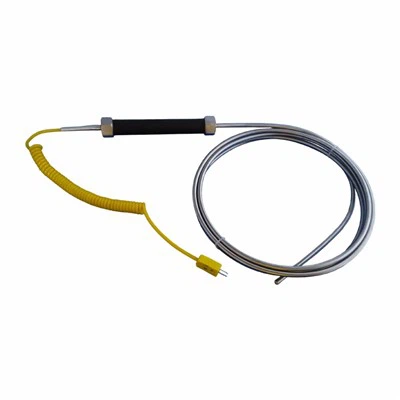
A bimetallic thermometer is a simple yet highly effective temperature - measuring device that's used in a wide range of industries. As a bimetallic thermometer supplier, I've got a deep understanding of the manufacturing standards that go into making these reliable tools. In this blog, I'll break down the key manufacturing standards for bimetallic thermometers, so you can have a better idea of what to expect when you're in the market for one.
Material Selection
The first step in manufacturing a high - quality bimetallic thermometer is choosing the right materials. The bimetallic strip, which is the heart of the thermometer, is made up of two different metals with different coefficients of thermal expansion bonded together. The most common metals used are brass and steel. Brass has a relatively high coefficient of thermal expansion, while steel has a lower one. When the temperature changes, the bimetallic strip bends because the two metals expand or contract at different rates.
The quality of these metals is crucial. We source our metals from trusted suppliers who adhere to strict quality control measures. The metals should be free from impurities that could affect the performance of the bimetallic strip. For example, any rust or oxidation on the steel can disrupt the bonding process with the brass and lead to inaccurate temperature readings.
The housing of the thermometer also matters. It needs to be made of a durable material that can protect the delicate bimetallic strip from physical damage and environmental factors. Common materials for the housing include stainless steel, which is corrosion - resistant and can withstand harsh industrial environments. Plastic is another option, especially for less demanding applications where cost is a concern. However, plastic housings need to be made of high - quality polymers that won't crack or deform under normal operating conditions.
Design and Construction
The design of a bimetallic thermometer is based on the principles of thermal expansion and mechanical movement. The bimetallic strip is usually coiled into a helix shape. This design maximizes the movement of the strip for a given temperature change, which in turn allows for more precise temperature readings.
The way the bimetallic strip is attached to the movement mechanism is also important. A proper attachment ensures that the movement of the strip is accurately transferred to the pointer on the dial. Any loose connection can lead to a lag in the pointer movement or even inaccurate readings.


The dial of the thermometer should be clear and easy to read. The markings should be accurate and well - defined. We use high - precision printing techniques to ensure that the temperature markings are sharp and won't fade over time. The size of the dial also depends on the application. For industrial applications where the thermometer needs to be read from a distance, a larger dial is preferred.
Accuracy and Calibration
Accuracy is one of the most important aspects of a bimetallic thermometer. The manufacturing standards require that the thermometer meets a certain level of accuracy within a specified temperature range. For general - purpose bimetallic thermometers, an accuracy of ±1% to ±2% of the full - scale reading is common. However, in more critical applications, higher accuracy levels may be required.
Calibration is the process of ensuring that the thermometer reads the temperature accurately. During manufacturing, each thermometer is calibrated using a reference thermometer in a controlled environment. The calibration process involves adjusting the movement mechanism so that the pointer on the dial aligns with the correct temperature reading on the reference thermometer.
We also provide calibration certificates for our thermometers. These certificates show that the thermometer has been calibrated to meet the required standards. Regular recalibration is recommended to maintain the accuracy of the thermometer over time, especially if the thermometer is used in harsh environments or for critical applications.
Safety Standards
Bimetallic thermometers need to meet certain safety standards, especially if they're used in industrial or hazardous environments. For example, in some industries, the thermometer may need to be explosion - proof. This means that the housing of the thermometer is designed in such a way that it can contain any explosion that occurs inside the thermometer without causing an explosion in the surrounding environment.
The electrical components of bimetallic thermometers with electrical contacts, such as the Bimetallic Thermometer with Electrical Contact, need to meet electrical safety standards. These standards ensure that the thermometer won't pose an electrical hazard to the user or the equipment it's connected to.
Different Types of Bimetallic Thermometers and Their Standards
There are several types of bimetallic thermometers, each with its own set of manufacturing standards.
Radial Flexible Tube Thermometer
The Radial Flexible Tube Thermometer is designed for applications where the sensing element needs to be placed in a hard - to - reach location. The flexible tube allows for easy positioning of the sensing element. The manufacturing standard for the flexible tube requires that it be flexible enough to bend without kinking, but also strong enough to withstand repeated bending. The connection between the flexible tube and the thermometer body should be leak - proof to prevent any fluid or gas from entering the thermometer.
Axial Thermometer
The Axial Thermometer has a straight design, which makes it suitable for applications where space is limited. The manufacturing standard for the axial thermometer focuses on the compactness and durability of the design. The housing should be able to protect the internal components from damage, even in tight spaces.
Quality Control
Throughout the manufacturing process, strict quality control measures are in place. Every bimetallic thermometer goes through a series of tests before it leaves the factory. These tests include visual inspections to check for any defects in the housing, markings on the dial, or the pointer. Functional tests are also conducted to ensure that the thermometer responds accurately to temperature changes.
We use statistical process control techniques to monitor the manufacturing process. This helps us identify any trends or variations in the production process early on, so we can take corrective actions to maintain the quality of the thermometers.
Why Choose Our Bimetallic Thermometers
As a bimetallic thermometer supplier, we're committed to meeting and exceeding the manufacturing standards. Our thermometers are made with high - quality materials, designed for accuracy and durability, and undergo rigorous quality control tests. Whether you need a Radial Flexible Tube Thermometer, an Axial Thermometer, or a Bimetallic Thermometer with Electrical Contact, we've got you covered.
If you're in the market for bimetallic thermometers, I encourage you to get in touch with us. We can provide you with more detailed information about our products, answer any questions you may have, and discuss your specific requirements. We're here to help you find the right bimetallic thermometer for your application.
References
- "Temperature Measurement Handbook", Industrial Temperature Measurement Association
- "Materials Science for Engineers", John Wiley & Sons