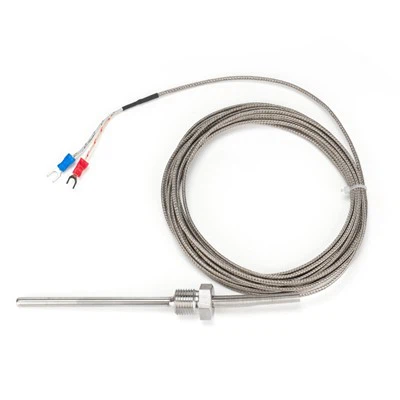
As a supplier of Prefabricated RTDs, I've received numerous inquiries about proper storage methods. It's crucial to store these devices correctly to maintain their performance and extend their lifespan. In this blog, I'll share some practical tips on how to store Prefabricated RTDs effectively.
Understanding the Basics of Prefabricated RTDs
Before we dive into storage, let's quickly go over what Prefabricated RTDs are. Resistance Temperature Detectors (RTDs) are sensors used to measure temperature by correlating the resistance of the RTD element with temperature. Prefabricated RTDs come pre - made, which means they're ready to be installed and used right out of the box. There are different types, like Armored Resistance Temperature Detector, Explosion - proof RTD, and Surface Thermal Resistance. Each type has its own characteristics, but the general storage principles apply to all.
Ideal Storage Conditions
Temperature
The first thing to consider is temperature. Prefabricated RTDs are sensitive to extreme temperatures. High temperatures can cause the internal components to expand, which might lead to changes in resistance and affect the accuracy of temperature measurements. On the other hand, very low temperatures can make the materials brittle.
It's recommended to store RTDs in an environment where the temperature ranges from 10°C to 30°C (50°F to 86°F). This temperature range helps to keep the RTDs in a stable state. If you're storing them in a warehouse, make sure the area is climate - controlled. You can use a thermometer to monitor the temperature regularly.
Humidity
Humidity is another important factor. High humidity can cause corrosion on the metal parts of the RTDs. Moisture can seep into the sensor and damage the internal wiring and components. To prevent this, aim for a relative humidity level of 30% to 60%.
You can use dehumidifiers in the storage area if the humidity is too high. Also, make sure the storage space is well - ventilated to allow air circulation. This helps to reduce the chances of moisture buildup.
Light
Exposure to direct sunlight or strong artificial light can also have a negative impact on Prefabricated RTDs. UV rays can degrade the insulation materials and affect the performance of the sensors. So, store the RTDs in a dark or dimly lit area. If possible, use opaque storage containers to protect them from light.
Storage Containers
Choosing the right storage containers is essential. You want to protect the RTDs from physical damage, dust, and other contaminants.
Plastic Containers
Plastic containers are a popular choice. They're lightweight, affordable, and can provide a good level of protection. Make sure the containers are clean and dry before placing the RTDs inside. You can use small plastic boxes or larger plastic bins depending on the quantity of RTDs you're storing.


Metal Containers
Metal containers offer more protection against physical impact. They're also good at shielding the RTDs from electromagnetic interference. However, make sure the metal containers are coated to prevent rusting. You can line the inside of the metal containers with a soft material like foam to cushion the RTDs.
Handling During Storage
When handling Prefabricated RTDs during storage, be gentle. Avoid dropping or hitting them, as this can damage the internal components. Always hold the RTDs by the outer casing or the insulated part.
If you need to move the RTDs from one storage location to another, use a proper carrying case. This helps to prevent any accidental damage during transportation.
Labeling and Organization
Labeling is crucial for easy identification and management. Label each storage container with the type of RTD, its specifications, and the date of storage. This makes it easier to find the right RTD when you need it.
You can also organize the RTDs by type, size, or application. For example, you can have separate shelves or sections for Armored Resistance Temperature Detector, Explosion - proof RTD, and Surface Thermal Resistance. This way, you can quickly locate the RTDs you need.
Regular Inspections
Even if you're storing the RTDs correctly, it's important to conduct regular inspections. Check for any signs of damage, such as cracks, corrosion, or loose connections. If you notice any issues, take appropriate action, such as repairing or replacing the RTDs.
Inspect the storage containers as well. Make sure they're still in good condition and providing adequate protection. If the containers are damaged, replace them to ensure the continued safety of the RTDs.
Conclusion
Proper storage of Prefabricated RTDs is essential for maintaining their performance and longevity. By following the tips mentioned above, you can ensure that your RTDs are stored in the best possible conditions.
If you're in the market for high - quality Prefabricated RTDs, we're here to help. We offer a wide range of RTDs to meet your specific needs. Whether you need Armored Resistance Temperature Detector, Explosion - proof RTD, or Surface Thermal Resistance, we've got you covered. Contact us for more information and to discuss your procurement requirements.
References
- General knowledge about RTD storage from industry experience.
- Manufacturer's guidelines for Prefabricated RTDs.