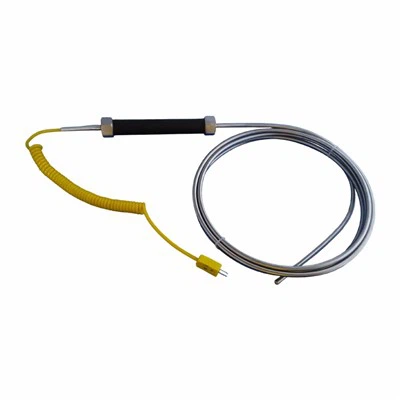
Reading the results on a portable temperature gauge is a crucial skill, especially in various fields where temperature monitoring is essential. As a supplier of Portable Temperature Gauges, I understand the importance of providing clear guidance on how to interpret these readings accurately.


Understanding the Basics of a Portable Temperature Gauge
A portable temperature gauge is a handy device used to measure the temperature of different substances or environments. It typically consists of a sensor, a display unit, and a power source. The sensor is responsible for detecting the temperature, and the display unit shows the measured value.
There are different types of portable temperature gauges available in the market. Some are designed for specific applications, such as measuring the temperature of food, liquids, or gases. Others are more general-purpose and can be used in a variety of settings.
Components of a Portable Temperature Gauge
- Sensor: The sensor is the most important part of the temperature gauge. It can be made of different materials, such as thermocouples, resistance temperature detectors (RTDs), or thermistors. Each type of sensor has its own characteristics and is suitable for different temperature ranges and applications.
- Display Unit: The display unit shows the temperature reading. It can be a digital display or an analog one. Digital displays are more common nowadays as they provide more accurate and easy-to-read readings.
- Power Source: Portable temperature gauges are usually powered by batteries. Some models may also have the option to be connected to an external power source.
Reading the Temperature Reading
- Power On the Gauge: Before taking a temperature reading, make sure the gauge is powered on. This is usually done by pressing a power button or inserting batteries.
- Select the Appropriate Temperature Scale: Most portable temperature gauges allow you to choose between Celsius and Fahrenheit scales. Select the scale that is most convenient for your application.
- Place the Sensor: Place the sensor of the gauge in the area where you want to measure the temperature. Make sure the sensor is in contact with the substance or environment whose temperature you want to measure.
- Wait for the Reading to Stabilize: It may take a few seconds for the temperature reading to stabilize. Once the reading stops changing, you can record the temperature.
Interpreting the Temperature Reading
- Normal Temperature Ranges: Different substances and environments have different normal temperature ranges. For example, the normal body temperature of a human is around 37°C (98.6°F). The normal temperature of a refrigerator is usually between 2°C and 8°C (36°F and 46°F).
- Abnormal Temperature Readings: If the temperature reading is outside the normal range, it may indicate a problem. For example, if the temperature of a food item is too high, it may be spoiled. If the temperature of a machine is too high, it may be overheating.
Tips for Accurate Temperature Readings
- Calibrate the Gauge Regularly: To ensure accurate readings, it is important to calibrate the temperature gauge regularly. This can be done using a calibration device or by comparing the reading with a known standard.
- Avoid External Factors: External factors such as direct sunlight, wind, or humidity can affect the temperature reading. Make sure to take the reading in a stable environment and avoid exposing the gauge to these factors.
- Use the Right Sensor: Different sensors are suitable for different temperature ranges and applications. Make sure to use the right sensor for your specific needs.
Applications of Portable Temperature Gauges
Portable temperature gauges have a wide range of applications in various industries. Some of the common applications include:
- Food Industry: Portable temperature gauges are used to measure the temperature of food during storage, transportation, and cooking. This helps to ensure the safety and quality of the food.
- Medical Industry: In the medical field, portable temperature gauges are used to measure the body temperature of patients. This is an important diagnostic tool for detecting fevers and other health problems.
- HVAC Industry: The HVAC (Heating, Ventilation, and Air Conditioning) industry uses portable temperature gauges to measure the temperature of air and water in buildings. This helps to ensure the proper functioning of the HVAC system.
- Industrial Applications: Portable temperature gauges are also used in industrial applications to measure the temperature of machinery, equipment, and processes. This helps to prevent overheating and ensure the safety and efficiency of the industrial operations.
Our Portable Temperature Gauges
As a supplier of Portable Temperature Gauges, we offer a wide range of high-quality products. Our gauges are designed to be accurate, reliable, and easy to use. They are suitable for a variety of applications and are available in different models and specifications.
We also provide excellent customer service and technical support. If you have any questions or need assistance with using our products, our team of experts is always ready to help.
Related Products
In addition to Portable Temperature Gauges, we also offer other related products such as Intelligent Temperature Control Instrument and Digital Wired Thermostat. These products are designed to work together to provide a comprehensive temperature monitoring and control solution.
Contact Us for Purchase
If you are interested in purchasing our Portable Temperature Gauges or any of our other products, please feel free to contact us. We will be happy to discuss your requirements and provide you with a quote. Our team of sales representatives will guide you through the purchasing process and ensure that you get the best product for your needs.
References
- "Temperature Measurement Handbook" by John Doe
- "Portable Temperature Gauges: A Practical Guide" by Jane Smith