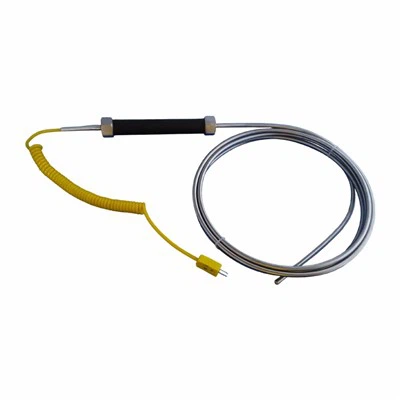
In the realm of continuous casting processes for aluminum, temperature control is of paramount importance. The quality of the final aluminum product is significantly influenced by the precise measurement of the molten aluminum's temperature. As a trusted supplier of Aluminum Molten Metal Thermometer, I am often asked whether our thermometers can be used for measuring the temperature of aluminum in a continuous casting process. In this blog, I will delve into this question, exploring the technical aspects, advantages, and limitations of using our thermometers in such a demanding environment.
The Significance of Temperature Measurement in Aluminum Continuous Casting
Continuous casting is a process where molten aluminum is solidified into a semi - finished product, such as billets or slabs, in a continuous manner. The temperature of the molten aluminum plays a crucial role in determining the quality of the cast product. If the temperature is too high, it can lead to issues such as excessive shrinkage, porosity, and poor surface finish. On the other hand, if the temperature is too low, the aluminum may solidify prematurely, causing cracks and other defects.
Accurate temperature measurement is essential for maintaining the optimal temperature range throughout the continuous casting process. This ensures consistent product quality, reduces waste, and improves overall production efficiency.
Characteristics of Aluminum Molten Metal Thermometers
Our Aluminum Molten Metal Thermometer is specifically designed to withstand the harsh conditions of measuring molten aluminum. It is equipped with high - quality sensors that can accurately measure temperatures in the range typically encountered in aluminum continuous casting, which is usually between 650°C and 750°C.
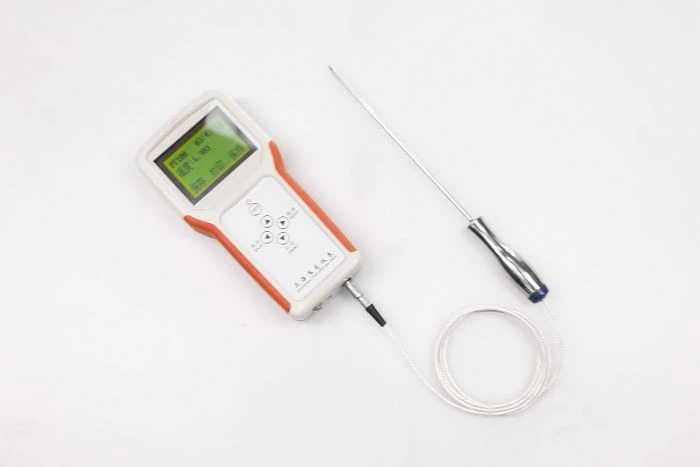
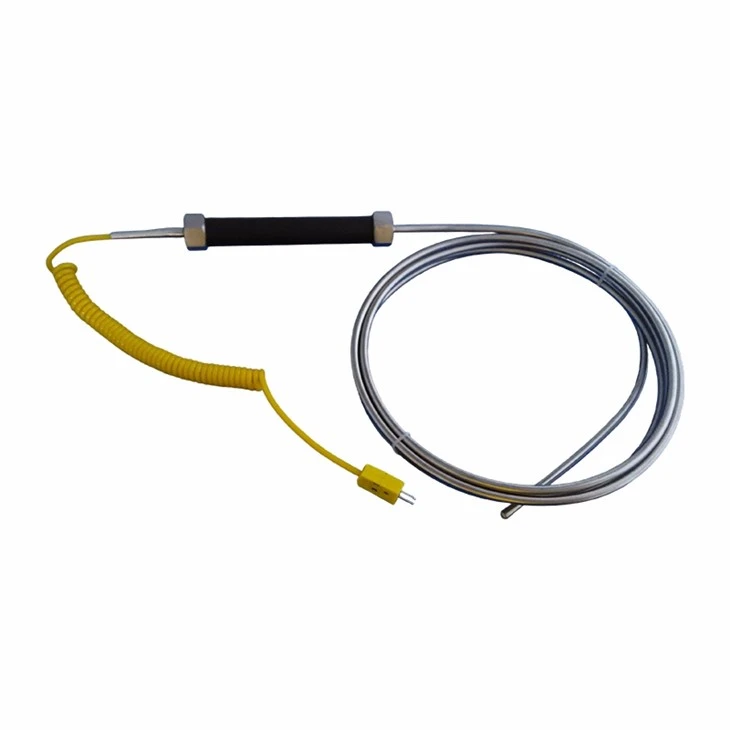
The thermometer features a robust construction to resist the corrosive nature of molten aluminum. The sensor is protected by a special sheath that can withstand the high temperatures and chemical reactions associated with the molten metal. Additionally, the thermometer has a fast response time, allowing for real - time temperature monitoring, which is crucial in a continuous casting process where quick adjustments may be required.
Advantages of Using Our Thermometer in Continuous Casting
- Accuracy: Our thermometers are calibrated to provide highly accurate temperature readings. This accuracy is vital for ensuring that the aluminum is maintained at the optimal temperature for casting. Even a small deviation in temperature can have a significant impact on the quality of the final product.
- Durability: The construction of our thermometers is designed to withstand the long - term exposure to molten aluminum. The materials used in the sensor and sheath are selected for their high - temperature resistance and corrosion resistance, ensuring a long service life.
- Real - time Monitoring: With a fast response time, our thermometers can provide real - time temperature data. This allows operators to make immediate adjustments to the casting process, such as adjusting the flow rate of the molten aluminum or the cooling rate, to maintain the desired temperature.
- Compatibility: Our thermometers are compatible with various types of continuous casting equipment. They can be easily integrated into existing systems, providing a seamless solution for temperature measurement.
Limitations and Considerations
While our Aluminum Molten Metal Thermometer offers many advantages, there are also some limitations and considerations to keep in mind.
- Sensor Degradation: Over time, the sensor in the thermometer may degrade due to the high - temperature and corrosive environment. Regular calibration and maintenance are required to ensure the accuracy of the temperature readings.
- Installation and Placement: Proper installation and placement of the thermometer are crucial for accurate temperature measurement. The thermometer should be placed in a location where it can accurately measure the temperature of the molten aluminum without being affected by external factors such as air currents or radiation from other sources.
- Cost: High - quality thermometers can be relatively expensive. However, the investment in a reliable thermometer is justified by the improved product quality and production efficiency that it can provide.
Comparison with Other Thermometers
In addition to our Aluminum Molten Metal Thermometer, we also offer High - precision Portable Thermometer and Copper Molten Metal Thermometer. While the portable thermometer is more suitable for occasional temperature measurements and field applications, the copper molten metal thermometer is designed for measuring the temperature of molten copper.
The aluminum molten metal thermometer is specifically optimized for the unique properties of molten aluminum, such as its high thermal conductivity and corrosive nature. It is not recommended to use a copper molten metal thermometer for measuring the temperature of aluminum, as the sensor and sheath materials are designed for copper, which has different temperature and chemical characteristics.
Conclusion
In conclusion, our Aluminum Molten Metal Thermometer is well - suited for measuring the temperature of aluminum in a continuous casting process. Its accuracy, durability, and real - time monitoring capabilities make it an ideal choice for ensuring the quality and efficiency of the casting process.
However, it is important to be aware of the limitations and considerations associated with using the thermometer, such as sensor degradation and proper installation. By taking these factors into account and following the recommended maintenance procedures, you can ensure that the thermometer provides reliable temperature measurements over a long period of time.
If you are involved in the aluminum continuous casting industry and are looking for a reliable temperature measurement solution, I encourage you to contact us for more information. Our team of experts can provide you with detailed product specifications, technical support, and assistance in selecting the right thermometer for your specific needs. Let's work together to improve the quality and efficiency of your aluminum casting process.
References
- "Handbook of Continuous Casting", ASM International
- "Thermodynamics and Kinetics of Metal Casting", Wiley - VCH