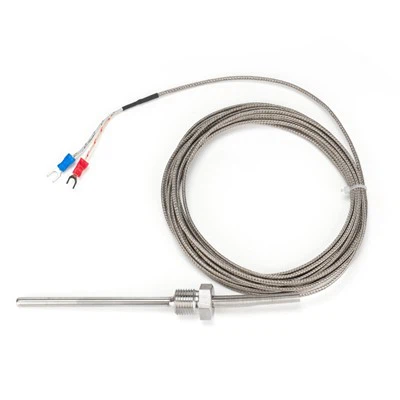
Maintaining the accuracy of an aluminum molten metal thermometer during long - term use is crucial for industries that rely on precise temperature measurements. As a supplier of Aluminum Molten Metal Thermometer, I understand the significance of this issue and have gathered valuable insights to share with you.
Understanding the Importance of Accuracy
In the aluminum melting process, accurate temperature measurement is essential for ensuring the quality of the final product. Incorrect temperature readings can lead to a variety of problems, such as improper alloying, reduced mechanical properties, and increased production costs. For example, if the temperature is too low, the aluminum may not melt completely, resulting in impurities and uneven composition. On the other hand, if the temperature is too high, it can cause excessive oxidation and evaporation of the alloying elements.
Factors Affecting the Accuracy of Aluminum Molten Metal Thermometers
Several factors can affect the accuracy of aluminum molten metal thermometers during long - term use.
1. Thermal Cycling
Thermal cycling is one of the most significant factors. When the thermometer is repeatedly exposed to high - temperature molten aluminum and then cooled down, it can cause thermal stress on the thermometer components. This stress can lead to mechanical damage, such as cracking or deformation of the thermocouple or the protective sheath. Over time, these damages can affect the electrical properties of the thermocouple, resulting in inaccurate temperature readings.
2. Chemical Corrosion
The molten aluminum contains various chemical elements that can react with the materials of the thermometer. For instance, aluminum can react with the metal sheath of the thermometer, causing corrosion. This corrosion can gradually thin the sheath, reducing its protective function and exposing the thermocouple to the harsh molten metal environment. As a result, the thermocouple may be damaged, leading to inaccurate measurements.
3. Mechanical Vibration
In industrial environments, mechanical vibration is common. Vibration can cause the internal components of the thermometer to loosen or shift. For example, the thermocouple wires may become disconnected or short - circuited, which can disrupt the electrical signal and affect the accuracy of the temperature measurement.
4. Contamination
Contamination of the thermometer tip can also affect its accuracy. Particles from the molten metal or other foreign substances can adhere to the thermometer tip, altering its thermal properties. This can lead to incorrect temperature readings as the thermometer may not accurately sense the actual temperature of the molten metal.
Strategies for Maintaining Accuracy
1. Regular Calibration
Regular calibration is the most effective way to maintain the accuracy of an aluminum molten metal thermometer. Calibration involves comparing the thermometer's readings with a known standard. This should be done at regular intervals, depending on the frequency of use and the working environment. For example, in a high - volume production facility, calibration may be required every few weeks, while in a less - intensive operation, monthly or quarterly calibration may be sufficient.

2. Proper Installation and Handling
Proper installation of the thermometer is crucial. The thermometer should be installed in a way that ensures it is fully immersed in the molten metal and is not affected by external factors such as air currents or splashing. When handling the thermometer, care should be taken to avoid mechanical damage. For example, it should be inserted and removed from the molten metal slowly and gently to prevent breakage of the thermocouple or the sheath.
3. Use of High - Quality Materials
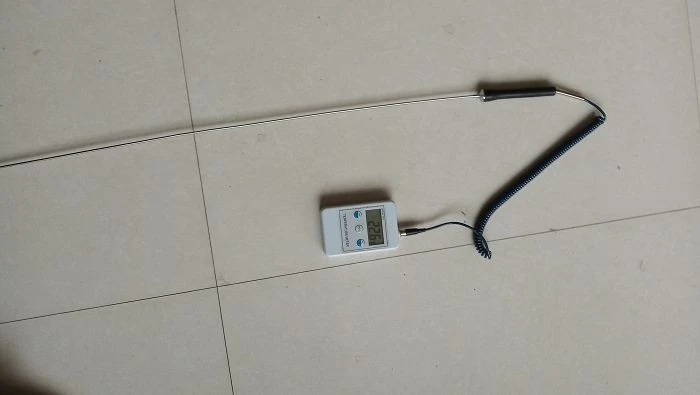
Using high - quality materials for the thermometer components can significantly improve its durability and accuracy. For the thermocouple, materials with high thermal stability and resistance to chemical corrosion should be selected. The protective sheath should also be made of a material that can withstand the high - temperature and corrosive environment of the molten aluminum. Our High - precision Portable Thermometer is designed with high - quality materials to ensure long - term accuracy.
4. Monitoring and Maintenance
Regular monitoring of the thermometer's performance is essential. This can be done by keeping a record of the temperature readings and comparing them over time. Any sudden changes in the readings may indicate a problem with the thermometer. In addition, regular maintenance, such as cleaning the thermometer tip and checking the integrity of the components, can help prevent issues before they become serious.
5. Protection from Contamination
To prevent contamination, the thermometer should be stored in a clean environment when not in use. When inserting the thermometer into the molten metal, it should be free from any foreign substances. Special covers or shields can be used to protect the thermometer from splashing and debris.
Comparing with Other Metal Molten Thermometers
It is also interesting to compare the aluminum molten metal thermometer with other types of molten metal thermometers, such as the Copper Molten Metal Thermometer. While both are used for measuring the temperature of molten metals, there are some differences.
The melting point of aluminum is lower than that of copper. Therefore, the requirements for the thermometer's high - temperature resistance are relatively lower for aluminum molten metal thermometers. However, the chemical properties of aluminum are more reactive, which means that the thermometer needs to have better corrosion resistance.
In contrast, copper molten metal thermometers need to withstand higher temperatures, but they may be less affected by chemical corrosion compared to aluminum molten metal thermometers.
Conclusion
Maintaining the accuracy of an aluminum molten metal thermometer during long - term use requires a combination of proper calibration, installation, handling, and maintenance. By understanding the factors that affect accuracy and implementing the strategies mentioned above, industries can ensure that their temperature measurements are reliable and consistent.
If you are in the market for high - quality aluminum molten metal thermometers or need more information on how to maintain their accuracy, we are here to help. We have a wide range of products that are designed to meet the specific needs of different industries. Contact us to discuss your requirements and start a procurement negotiation.
References
- "Thermometry in Molten Metals", Journal of Metallurgical Engineering
- "Principles of Temperature Measurement in Industrial Processes", Industrial Temperature Handbook