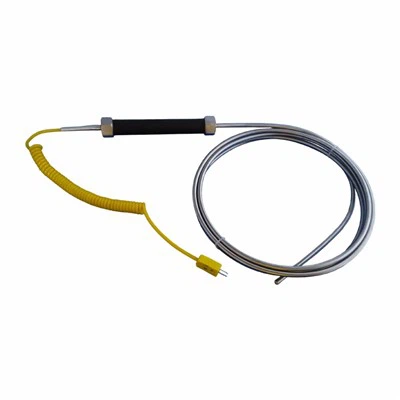
Hey there! As a supplier of Wire Resistance Thermometers, I know firsthand how crucial it is to have accurate temperature readings. In this blog post, I'm gonna share some tips on how to improve the accuracy of a wire resistance thermometer.
Understanding the Basics
First off, let's quickly go over what a wire resistance thermometer is. A wire resistance thermometer, also known as a Resistance Temperature Detector (RTD), works on the principle that the electrical resistance of a metal wire changes with temperature. The most common metal used in RTDs is platinum because it has a very predictable and stable resistance - temperature relationship. You can learn more about Wire Resistance Thermometer on our website.
Calibration
One of the most important steps in improving the accuracy of a wire resistance thermometer is calibration. Calibration is the process of comparing the thermometer's readings with a known standard. You can use a calibration bath with a well - defined temperature to check and adjust your thermometer. It's recommended to calibrate your thermometer regularly, especially if it's used in critical applications. For example, in a laboratory setting where precise temperature control is necessary for experiments, calibration should be done at least once a year.
Proper Installation
The way you install the wire resistance thermometer can have a big impact on its accuracy. Make sure the thermometer is installed in the right location. It should be placed in an area where it can accurately measure the temperature of the medium you're interested in. For instance, if you're measuring the temperature of a liquid in a tank, the thermometer should be submerged deep enough to get a representative reading. Also, avoid installing the thermometer near heat sources or in areas with high - velocity airflows, as these can cause inaccurate readings.


Cable and Connection
The cable used to connect the wire resistance thermometer to the measuring device is also important. A high - quality cable with low resistance and good insulation can reduce errors in the measurement. Make sure the connections are tight and clean. Loose or corroded connections can introduce additional resistance, which will affect the accuracy of the temperature reading.
Shielding
Electromagnetic interference (EMI) can also affect the accuracy of a wire resistance thermometer. To minimize EMI, use shielded cables. The shield helps to block out external electromagnetic fields that could interfere with the electrical signal from the thermometer. This is especially important in industrial environments where there are a lot of electrical equipment and machinery.
Temperature Coefficient Consideration
Different metals have different temperature coefficients of resistance. When choosing a wire resistance thermometer, make sure you understand the temperature coefficient of the metal used. For example, platinum has a relatively high and stable temperature coefficient, which makes it a popular choice for high - accuracy applications. You can also consider using Prefabricated RTD, which are designed for easy installation and accurate temperature measurement.
Surface Thermal Resistance
Another factor to consider is the surface thermal resistance. The surface of the thermometer can have an impact on how quickly it reaches thermal equilibrium with the surrounding medium. A thermometer with a low surface thermal resistance will respond more quickly to temperature changes. You can learn more about Surface Thermal Resistance on our website.
Regular Maintenance
Regular maintenance is key to keeping your wire resistance thermometer accurate. Check the thermometer for any signs of damage, such as a broken wire or a damaged insulation. Clean the thermometer regularly to remove any dirt or debris that could affect its performance. Also, make sure to store the thermometer properly when it's not in use.
Environmental Factors
The environment in which the wire resistance thermometer is used can also affect its accuracy. Factors such as humidity, pressure, and vibration can all have an impact. For example, high humidity can cause corrosion on the thermometer's wire, which will change its resistance. In high - pressure environments, the physical properties of the wire may be affected. And vibration can cause the wire to break or the connections to loosen.
Testing and Validation
After making any changes to the thermometer, such as calibration or installation, it's important to test and validate the accuracy of the readings. You can use a secondary thermometer or a reference standard to compare the readings. If there are any significant differences, you may need to re - evaluate your calibration or installation.
Conclusion
Improving the accuracy of a wire resistance thermometer requires attention to detail and a good understanding of the factors that can affect its performance. By following these tips, you can ensure that your thermometer provides accurate and reliable temperature readings.
If you're in the market for a high - quality wire resistance thermometer or have any questions about improving the accuracy of your existing thermometer, feel free to reach out to us. We're here to help you get the best temperature measurement solutions for your needs.
References
- "Temperature Measurement: Theory and Practice" by John M. O'Neil
- "Handbook of Temperature Measurement" by Peter H. Dunn