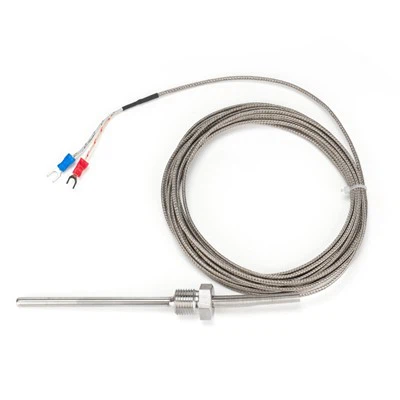
Hey there! As a supplier of Radial Flexible Tube Thermometers, I've been getting a lot of questions lately about how to improve the accuracy of these nifty devices. So, I thought I'd share some tips and tricks that I've picked up over the years.
First off, let's talk about what a Radial Flexible Tube Thermometer is. It's a type of thermometer that uses a flexible tube to measure temperature. The tube is usually made of metal or plastic and can be bent to fit into tight spaces. The thermometer itself is typically a bimetallic strip that expands or contracts based on the temperature. This movement is then translated into a temperature reading on a dial.
Now, let's get into the nitty-gritty of how to improve the accuracy of a Radial Flexible Tube Thermometer.
1. Proper Installation
One of the most important factors in getting an accurate temperature reading is proper installation. Make sure the thermometer is installed in the right location. It should be placed in a spot where it can get an accurate reading of the temperature you're trying to measure. For example, if you're measuring the temperature of a liquid in a tank, the thermometer should be placed in the liquid, not on the side of the tank.
Also, make sure the thermometer is installed securely. A loose thermometer can give inaccurate readings because it may move around and not be in the right position. Use the appropriate mounting hardware to ensure a tight fit.
2. Regular Calibration
Calibration is key to maintaining the accuracy of any thermometer, including Radial Flexible Tube Thermometers. You should calibrate your thermometer regularly, especially if it's used in a critical application. Calibration involves comparing the thermometer's reading to a known standard. If there's a difference, you can adjust the thermometer to make it more accurate.
There are a few different ways to calibrate a thermometer. One common method is to use a calibration bath. This is a container filled with a liquid at a known temperature. You can place the thermometer in the bath and compare its reading to the known temperature. If the reading is off, you can adjust the thermometer accordingly.
3. Avoiding Environmental Factors
Environmental factors can have a big impact on the accuracy of a thermometer. For example, extreme temperatures, humidity, and vibration can all affect the performance of a Radial Flexible Tube Thermometer. Try to keep the thermometer away from sources of heat, cold, and moisture. If the thermometer is exposed to these conditions, it may give inaccurate readings.
Also, be careful when using the thermometer in areas with a lot of vibration. Vibration can cause the thermometer to move around and give inaccurate readings. If you need to use the thermometer in a vibrating environment, consider using a Shock-resistant Bimetallic Thermometer. This type of thermometer is designed to withstand vibration and provide more accurate readings.


4. Using the Right Type of Thermometer
Not all thermometers are created equal. Different types of thermometers are designed for different applications. When choosing a Radial Flexible Tube Thermometer, make sure you choose the right type for your needs. For example, if you need to measure high temperatures, you'll need a thermometer that can handle those temperatures.
There are also different types of thermometers with different features. For example, some thermometers have electrical contacts that can be used to trigger an alarm or control a process. If you need this type of functionality, consider using a Bimetallic Thermometer with Electrical Contact.
5. Maintenance
Proper maintenance is essential for keeping your Radial Flexible Tube Thermometer accurate. Make sure you clean the thermometer regularly to remove any dirt or debris that may affect its performance. You should also check the thermometer for any signs of damage, such as cracks or leaks. If you notice any damage, replace the thermometer immediately.
In addition to cleaning and checking for damage, you should also lubricate the moving parts of the thermometer. This will help ensure that the thermometer operates smoothly and accurately.
6. Training
Finally, make sure the people who are using the Radial Flexible Tube Thermometer are properly trained. They should know how to install, calibrate, and use the thermometer correctly. This will help ensure that the thermometer provides accurate readings and that it lasts for a long time.
In conclusion, improving the accuracy of a Radial Flexible Tube Thermometer requires proper installation, regular calibration, avoiding environmental factors, using the right type of thermometer, maintenance, and training. By following these tips, you can ensure that your thermometer provides accurate readings and that it lasts for a long time.
If you're in the market for a Radial Flexible Tube Thermometer or any other type of thermometer, feel free to reach out to us. We're a leading supplier of high-quality thermometers, including Axial Thermometer, and we'd be happy to help you find the right product for your needs. Just drop us a line and we'll get back to you as soon as possible.
References
- "Thermometer Calibration Guide" - A comprehensive guide on thermometer calibration.
- "Temperature Measurement Handbook" - A handbook that provides in - depth information on temperature measurement techniques and tools.