In the realm of temperature measurement, radial thermometers stand out as a crucial tool across various industries. As a supplier of radial thermometers, I've witnessed firsthand the intricate relationship between the price of these devices and their features. This blog post aims to delve into this relationship, providing insights for potential buyers and industry enthusiasts alike.
Understanding Radial Thermometers
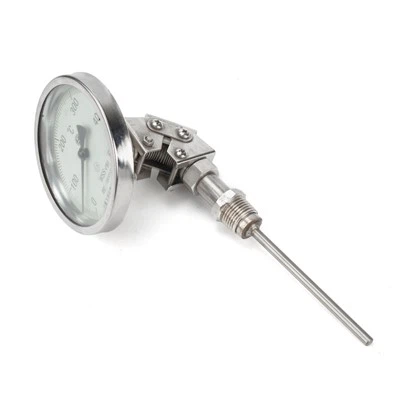
Radial thermometers are designed to measure temperature in a wide range of applications, from industrial processes to environmental monitoring. They offer several advantages, including ease of use, durability, and accuracy. However, the price of a radial thermometer can vary significantly depending on its features.
Basic Features and Their Impact on Price
The most basic radial thermometers typically offer simple temperature measurement capabilities. These devices are often used in general-purpose applications where high precision is not required. They usually have a basic display and a limited temperature range. The price of these basic models is relatively low, making them an affordable option for many users.
For example, a basic radial thermometer with a simple analog display and a temperature range of -20°C to 120°C might cost around $20 to $50. These thermometers are suitable for applications such as home use, small workshops, or basic laboratory settings.
Advanced Features and Their Cost
As the features of a radial thermometer become more advanced, the price tends to increase. Advanced features can include digital displays, high precision sensors, extended temperature ranges, and additional functionality.
Digital Displays
Digital displays offer several advantages over analog displays. They provide clear and easy-to-read temperature readings, and they can often display additional information such as minimum and maximum temperatures. Digital radial thermometers are generally more expensive than their analog counterparts. A digital radial thermometer with a basic display and a temperature range of -40°C to 200°C might cost around $50 to $100.
High Precision Sensors
High precision sensors are essential for applications where accurate temperature measurement is critical. These sensors can provide temperature readings with a high degree of accuracy, often within ±0.1°C or better. Radial thermometers equipped with high precision sensors are more expensive due to the cost of the sensors and the additional calibration required. A high precision radial thermometer with a digital display and a temperature range of -50°C to 300°C might cost around $100 to $200.
Extended Temperature Ranges
Some applications require radial thermometers with extended temperature ranges. These thermometers can measure temperatures as low as -200°C or as high as 1000°C. The cost of a radial thermometer with an extended temperature range is typically higher due to the specialized materials and construction required to withstand extreme temperatures. A radial thermometer with an extended temperature range of -200°C to 1000°C might cost around $200 to $500.
Additional Functionality
Radial thermometers can also offer additional functionality such as data logging, alarm settings, and wireless connectivity. Data logging allows users to record temperature readings over time, which can be useful for monitoring and analysis. Alarm settings can be used to alert users when the temperature exceeds a certain threshold. Wireless connectivity enables users to transmit temperature data to a computer or other device for remote monitoring. These additional features can significantly increase the price of a radial thermometer. A radial thermometer with data logging, alarm settings, and wireless connectivity might cost around $300 to $800.
Comparing Different Types of Radial Thermometers
In addition to the features mentioned above, the type of radial thermometer can also affect its price. There are several types of radial thermometers available, each with its own unique features and applications.
Bimetallic Thermometer with Electrical Contact
Bimetallic thermometers with electrical contacts are commonly used in industrial applications where temperature control is required. These thermometers use a bimetallic strip to measure temperature and an electrical contact to activate a switch when the temperature reaches a certain level. The price of a bimetallic thermometer with an electrical contact can vary depending on the size, accuracy, and additional features. You can find more information about Bimetallic Thermometer with Electrical Contact.
Remote Transmission Bimetallic Thermometer
Remote transmission bimetallic thermometers are designed to transmit temperature data over a distance. These thermometers use a bimetallic strip to measure temperature and a transmitter to send the data to a receiver. The price of a remote transmission bimetallic thermometer can vary depending on the range, accuracy, and additional features. You can find more information about Remote Transmission Bimetallic Thermometer.
Axial Flexible Tube Thermometer
Axial flexible tube thermometers are used in applications where the thermometer needs to be bent or curved to fit into tight spaces. These thermometers use a flexible tube to connect the sensing element to the display. The price of an axial flexible tube thermometer can vary depending on the length, diameter, and accuracy of the tube. You can find more information about Axial Flexible Tube Thermometer.


Factors to Consider When Choosing a Radial Thermometer
When choosing a radial thermometer, it's important to consider your specific needs and budget. Here are some factors to keep in mind:
- Application: Consider the type of application you will be using the thermometer for. Different applications require different features and accuracy levels.
- Temperature Range: Determine the temperature range you need to measure. Make sure the thermometer you choose can handle the minimum and maximum temperatures of your application.
- Accuracy: Consider the level of accuracy you require. High precision sensors are more expensive but can provide more accurate temperature readings.
- Features: Decide which features are important to you. Additional features such as digital displays, data logging, and wireless connectivity can increase the price of the thermometer.
- Budget: Set a budget for your thermometer purchase. Make sure you choose a thermometer that meets your needs and fits within your budget.
Conclusion
The price of a radial thermometer is closely related to its features. Basic models with simple temperature measurement capabilities are generally more affordable, while advanced models with digital displays, high precision sensors, extended temperature ranges, and additional functionality are more expensive. When choosing a radial thermometer, it's important to consider your specific needs and budget. By understanding the relationship between price and features, you can make an informed decision and choose the right thermometer for your application.
If you're interested in purchasing a radial thermometer or have any questions about our products, please don't hesitate to contact us for a purchase negotiation. We're here to help you find the best solution for your temperature measurement needs.
References
- "Temperature Measurement Handbook," by John Wiley & Sons
- "Industrial Temperature Measurement," by CRC Press